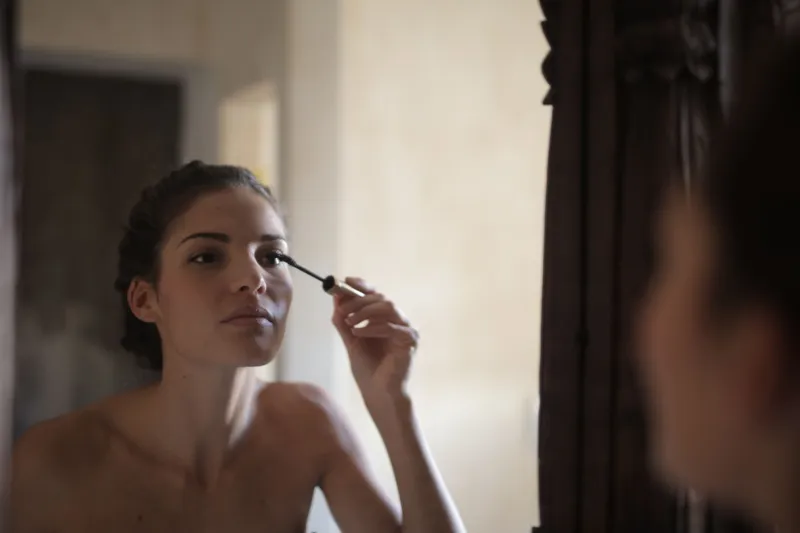
Borrowed Lipstick, Lasting Insight: The 20-Minute Confidence Drill
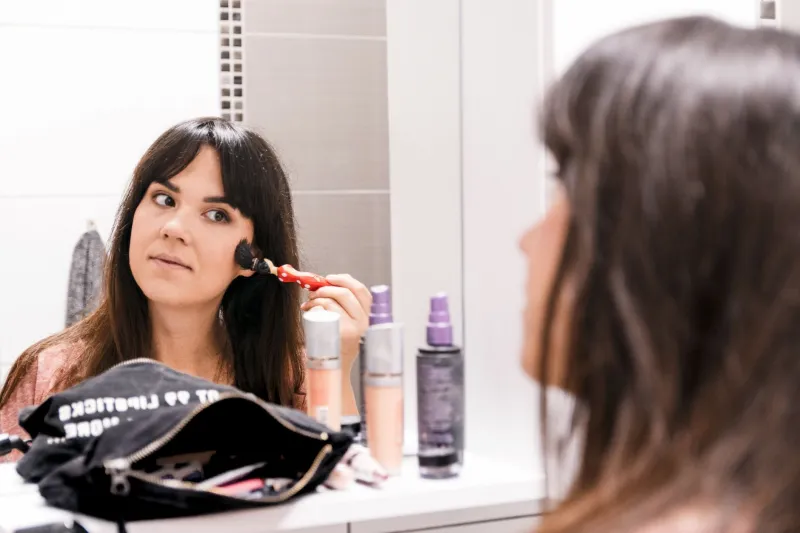
The best style advice I received this year cost exactly zero dollars and came with a side of cold coffee. A friend and I were getting ready for a low-key dinner, and somewhere between her loaning me a lipstick and me handing over my favorite cream blush, we accidentally ran a full makeover experiment. Twenty minutes later, I had learned more about my own face than I had from three months of scrolling.
That happy accident became a habit. In 2026, when every app wants to sell you a “signature look” and every haul video promises transformation, the cheapest and most accurate stylist might already be in your group chat. Here’s the case for a friend-swap session — and how to run one without turning your bathroom into a critique circle.
Why a Friend Beats a Fitting Room
A fitting room mirror is designed to make you want to leave with something. A friend’s bathroom mirror is not. There’s no commission, no flattering overhead lighting, no sales associate telling you it looks great. There’s just another person who knows your face and has no financial incentive to lie.
Friends also see you in motion. They know the lipstick you always reach for before you know you’re reaching for it. They can name the thing you do automatically — the flick of liner, the brushed-up brow, the berry stain you treat like a neutral. That kind of pattern recognition is nearly impossible to do on yourself, because you’re too close to the habit.
And unlike a department store counter, a friend swap has no upsell. You are not there to buy. You are there to notice.
The Setup: Three Items, Twenty Minutes, No Receipts
Keep it small and keep it timed. The whole point is low stakes and high signal.
- Pick a friend with different instincts. Not necessarily different coloring — different habits. If you’re a matte-all-day person, find a gloss person. If you never touch blush, find someone who owns six.
- Each person brings three items they genuinely love. Not the stuff you’re trying to get rid of. The good stuff — the lipstick you’ve repurchased, the mascara that never flakes, the highlighter that doesn’t emphasize texture.
- Set a 20-minute timer. That’s it. No full face from scratch, no skincare routine. Base routine allowed, then build the rest from your friend’s three items.
- Use the same mirror and the same light. Take a photo of each look in the same spot so you can compare later without the glow of a ring light fooling you.
- Take notes on your phone. Not mental notes. Actual notes.
What to Notice: Comfort, Compliments, Surprise
This is where the experiment earns its keep. You’re tracking three things, and none of them are “did it look good.”
Comfort. Did you keep touching your lips? Did you tug at your lash line? Did the blush feel like too much until you forgot about it? Discomfort is information. If you spent twenty minutes fighting an adjustment, that item probably isn’t your everyday.
Compliments. Write down the exact words. “You look nice” is noise. “Your skin looks really even” or “that lip color makes your eyes pop” is a signal. Notice whether the compliment was about a feature or about the product. Both matter, but they tell you different things.
Surprise. The item you would never have picked up at Target that somehow worked. Maybe it was a brownish lip liner that made your natural lip look fuller. Maybe it was a cream blush in a shade you’d have called “too warm” on the shelf. The surprise is usually the lesson.
The Rule That Makes It Safe
A friend swap only works if it stays observational. The moment someone says “you should,” the room gets tense and the feedback gets fake.
Instead of “that’s wrong,” try “that reads warmer than your usual.” Instead of “you need more blush,” try “I notice your face looks a little more awake when there’s color on the cheek.” Ask questions: What do you see first? What looks like me? What looks like a costume?
You’re not fixing each other. You’re describing what’s in front of you. That distinction is the whole game.
What Outside Eyes See That You Don’t
When you look in the mirror, you see a list of insecurities. A friend sees proportion, contrast, and color. They notice that your usual full eye plus full lip might be competing, not complementing. They notice that the foundation you love is actually fine, but the powder on top is flattening it. They notice that your “no-makeup makeup” is really a lip-and-brow situation, and that’s your signature.
The goal isn’t to adopt your friend’s look. It’s to hear your own patterns named out loud. Once you can describe your style — “soft base, strong lip, brushed brow” — you can stop guessing in the drugstore aisle and start buying on purpose.
The Subtraction Lesson
Most makeover content is about adding. A friend swap often teaches you what to take off. Maybe the heavy lip wasn’t the problem; the full eye plus full lip was. Maybe the setting spray wasn’t doing anything except making you feel productive. Maybe you don’t need a new highlighter — you need to move the one you own.
That’s a confidence shift, not a product shift. You leave with a shorter list, not a longer one.
Make It a Ritual, Not a Haul
You don’t need a new season or a new budget to repeat this. Do it quarterly. Rotate friends. Keep a note on your phone called “borrowed wisdom” with the exact items, the exact compliments, and the exact surprises. Over a year, you’ll build a portrait of your own taste that no algorithm could sell you.
And the next time you’re tempted by a cart full of maybe, remember the cold coffee and the borrowed lipstick. Your style isn’t hiding in a checkout page. It’s already on your face — sometimes it just takes a second set of eyes to see it.