The Front-Camera Fix: Three Small Beauty Moves That Read Better in Real Light
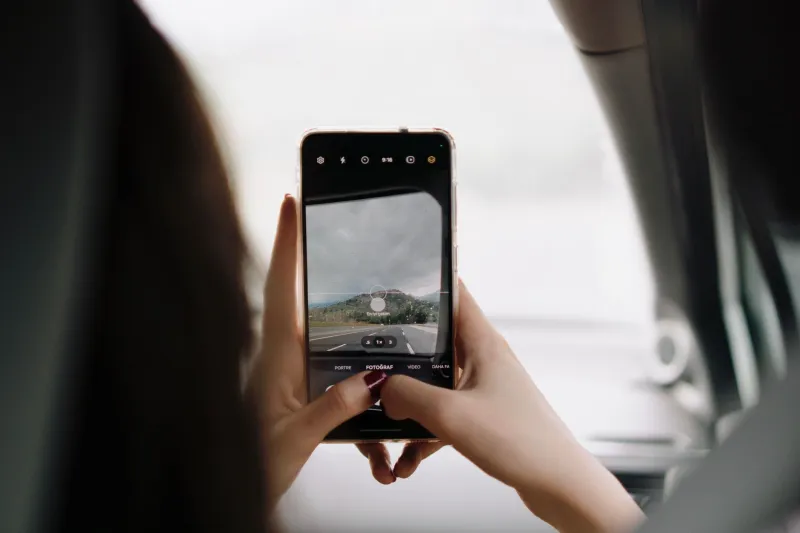
Your mirror and your phone camera are both telling the truth. They are just telling different versions of it. The mirror sees you in soft bathroom light, at close range, with the ability to tilt your head until everything looks right. The front camera sees you at arm's length, under overhead kitchen lighting, mid-sentence, with a slightly wider lens and zero mercy. That gap is not a personal failing. It is a translation problem.
In 2026, most of us are on camera more than we are in front of a proper mirror. Video calls, selfies for the group chat, birthday dinner photos, the quick check before a virtual interview — the phone has become the salon mirror we never asked for. The good news is that you do not need a full glam routine to make your everyday look read better on screen. You need three small adjustments, made in the right order.
Start With the Shape Around Your Face
Before you worry about a single product, look at the silhouette of your hair. On a phone camera, hair shape does more framing work than most makeup. A style that looks intentionally messy in person can read as flat or fuzzy on screen, especially when the camera is slightly above eye level and the light is coming from the ceiling.
Try a ten-second audit: open your front camera, record a short video in the nearest window light, and watch it back without judging your face. Just look at your hair. Is there any lift at the crown, or does it sit close to your head? Does your part look deliberate? Are the ends doing something you like, or are they just along for the ride?
The adjustment is usually smaller than people expect. If your hair falls flat, lift the roots at the top of your head with your fingertips or a quick hit of dry texture spray, then let it settle. If flyaways are catching the light, smooth the top layer with a tiny amount of lightweight serum rather than flattening the whole head. If your hair is long, try tucking one side behind your ear and leaving the other side forward. That one move creates a visible line around the face, which the camera loves.
This is not about a blowout. It is about giving the camera a shape to read. A little volume at the crown and one intentional line near the face can make the difference between 'I rolled out of bed' and 'I meant to look like this.'
Then Check the Finish, Not the Coverage
Phone cameras are dramatic about shine. They amplify it on the forehead, nose, and chin, then flatten everything else. That is why a base that looks dewy and fresh in the bathroom can look greasy on a video call, and why a full-matte finish can read as dry or flat on a selfie.
The goal is skin that looks like skin — just a little more even. Start by blotting the center of your face with a tissue or a thin blotting paper. You would be surprised how much of the 'camera shine' is just natural oil sitting on top of your moisturizer. If you want a little more polish, tap a lightweight concealer only where you actually see redness or shadow, then blend the edges with your finger. Skip the heavy powder everywhere. A light dusting through the T-zone is enough.
For video calls, check where your light is coming from. If you are sitting in front of a window, the camera will pick up texture on the side facing the light. That is normal. A tiny bit of cream blush on the cheekbones gives the camera a healthy flush without looking like a filter. If you are on camera under overhead office lighting, keep the finish closer to satin than glow. If you are taking a selfie in golden-hour light, you can afford a little more dew.
The point is not to erase your skin. It is to stop the camera from making one shiny spot the main character.
Pick One Color That Does the Work
When people say a look does not 'read' on camera, they often mean there is no focal point. The camera needs somewhere to land. That is where one color choice comes in — and one is usually enough.
A mid-tone lip is the easiest place to start. Think rose, berry, or a warm terracotta rather than a pale nude or a neon bright. Phone cameras tend to desaturate color slightly, so a lipstick that looks bold in your bathroom may look washed out on screen, while a shade that feels almost too much in person often photographs just right. If you prefer blush, choose a cream formula in a similar family and place it slightly higher on the cheek than you would for a night out. If makeup is not your thing, use the same logic with an accessory: a colored scarf, a pair of earrings, or a top that brings a little warmth near your face.
The rule is simple: one color, placed on purpose. Two strong colors compete. Three turn into a costume. One gives the camera a clean place to focus and makes the rest of your face look more awake.
The 60-Second Rehearsal
Before your next call or photo, run the sequence once. Lift the hair shape. Blot the shine. Add one color. Then check your camera angle. Put the phone at eye level instead of below your chin, tap the screen to focus on your face, and make sure the light is in front of you rather than behind you. That is it.
This audit is not about fixing yourself. It is about translating the version of you that exists in real life into the version your phone can actually see. The mirror already knows what you look like. The camera just needs a little help reading the room.